Thursday Three - 12 JUNE 2025 

  • World Elder Abuse Awareness Day (WEAAD) is 15 June
  • Challenging Ageism SIG webinar recording - now available!
  • AAG member research spotlight: Dr Tricia King


World Elder Abuse Awareness Day (#WEAAD) is 15 June

#WEAAD is a global opportunity for individuals and communities to stand together against the abuse, mistreatment and neglect of older people.

Elder abuse comes in many forms, including financial, psychological (social isolation or coercion), neglect, physical and sexual abuse, or a combination of any of these. Elder abuse doesn’t discriminate and can happen to anyone, with detrimental effects on the individual, families, friends, and communities.

Unfortunately, elder abuse can be difficult to identify, may be ignored, or not responded to appropriately. It can be very complex and often hidden, and many people don’t know enough about what it looks like, or how to respond. However, elder abuse can be prevented.

AAG is part of Elder Abuse Action Australia (EAAA) and we invite all our members to look at ways we can each help prevent and respond to elder abuse in our communities.

Did you know AAG has a Special Interest Group (SIG) focused on Elder Abuse? The group is open to all financial members of AAG with some exciting initiatives planned for the coming year. You can find out more about the Elder Abuse SIG and how to join here.

You may also like to check out the following information, training, and resources:

Why not show your support by using #WEAAD on social media or have a conversation today with someone you know to spread awareness? Combatting ageism and preventing abuse of older people is everybody’s business.
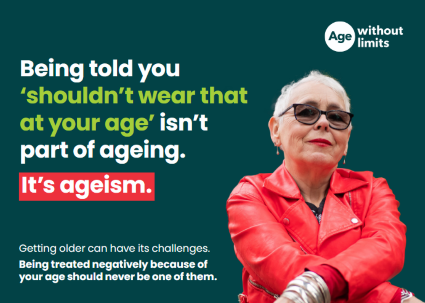
Challenging Ageism SIG webinar recording - now available!

If you missed the recent webinar: A UN Convention on the Human Rights of Older Persons: Updates and Future Developments, don’t worry! You can catch all the details and insights via AAG’s video library.

Brought to you by AAG’s Challenging Ageism Special Interest Group (SIG), this webinar offers critical updates on the UN Convention on the Rights of Older Persons, exploring the current status of this vital international framework and its potential impact on combating ageism globally. The Convention represents a significant step in protecting older people's rights and addressing age-based discrimination at an international level.

Hosted by AAG Board member, Keryn Curtis, and co-chaired by Challenging Ageism SIG co-convenors, A/Prof Rachel Ambagtsheer and Ms Bethany Wilton-Harding, the event featured an exceptional panel of ageing experts, including Marcus Riley, Global Ageing Network; Emeritus Prof Andrew Byrne, UNSW Sydney; and Dr Susan Cochrane, Relationships Australia.

Watch now to learn practical ways you and your team can advance advocacy efforts and be equipped with the knowledge and tools to effectively engage with this important international development. This recording is available on demand for all AAG members. Not a member? Join today!

Interested in learning more about the AAG Challenging Ageism SIG? Find out more and how to join at the AAG website.


AAG member research spotlight: Dr Tricia King

AAG is pleased to showcase a newly published research article led by AAG member Dr Tricia King and including contributions by Marcia Grimm, Leah Barclay, and AAG member Dr Daniel Wadsworth:

Tricia was AAG’s official event photographer at #AAGConf24 in Hobart. Many conference delegates enjoyed the engaging pre-conference workshop Listening with images: A photographic workshop on using the camera in research design and documentation delivered by Tricia and hosted by Emerging Researchers in Ageing (ERA) and the AAG Student and Early Career Group (SECG).

The article Sharing and caring: Collaborative creativity and co-curated exhibitions to enhance belonging in older adults contributes to conversations in creative gerontology that will equip practitioners to facilitate inspired activities that “challenge deficit-based models of ageing.” The findings also have “significance in terms of enabling person-centred care approaches to the care of older adults, advocating for creative, person-centred solutions that prioritise social connectivity, personal agency and meaningful participation as core components of elder care and support services.”

Read more now at the Australian Journal on Ageing.